the woman who discovered PW8
Dr Anna Wessels Williams
In 1893, in response to a cholera outbreak, the New York City Department of Health opened a municipal diagnostic laboratory, the first of its kind in the country. It was built to do something no American city had done before: put a laboratory to work on public health problems as they happened, rather than treating disease outbreaks as academic questions to study in retrospect.
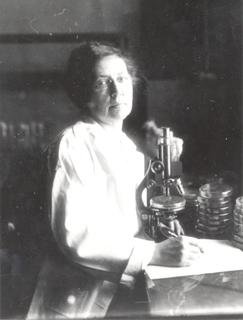
Anna Wessels Williams in her lab
image credit: Schlesinger Library, Radcliffe Institute, Harvard University
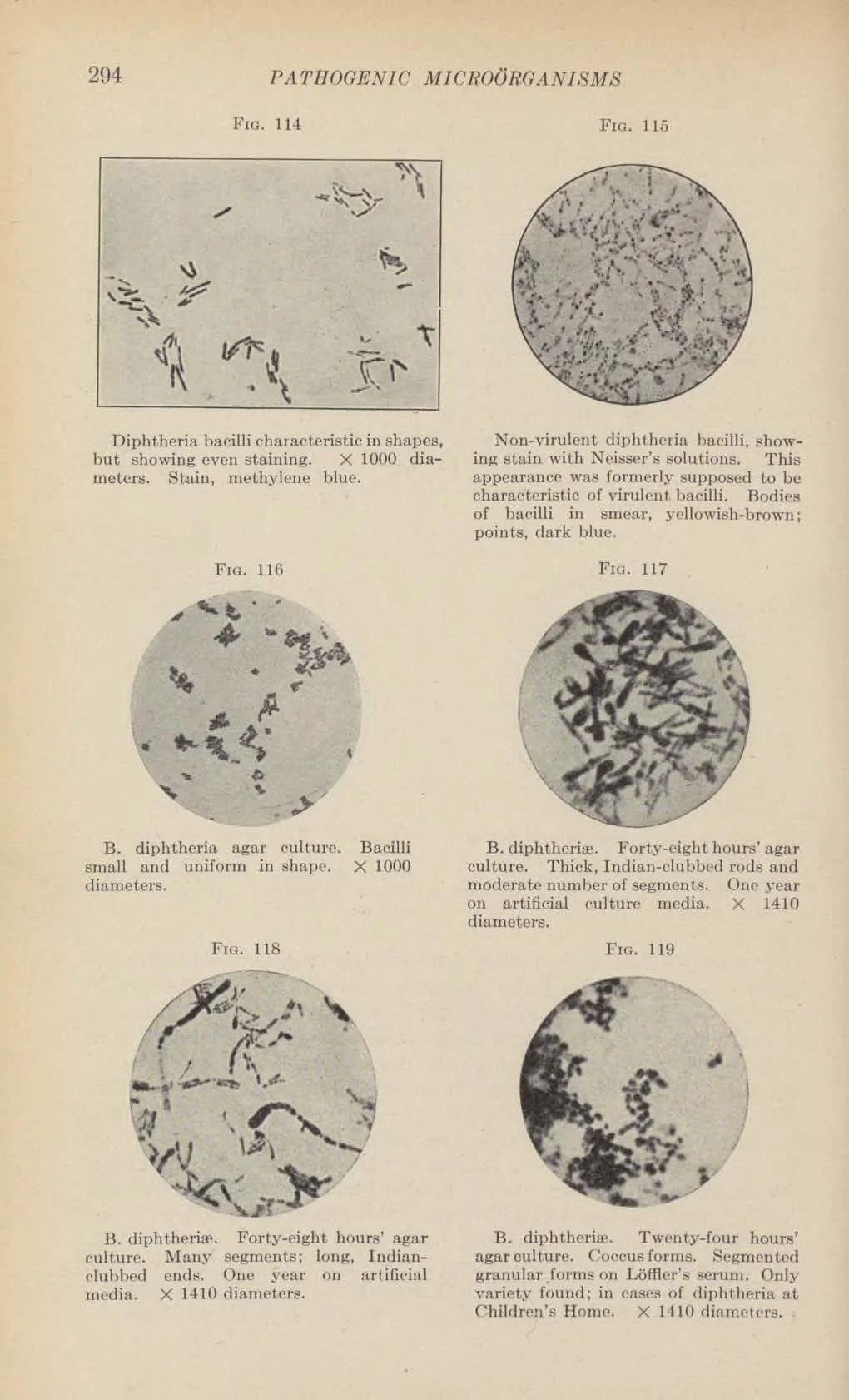
Anna Wessels Williams was well suited to this work. She'd earned her medical degree in 1891 from the Woman's Medical College of the New York Infirmary, training under Elizabeth Blackwell, the first woman to earn a medical degree in the United States, and Mary Putnam Jacobi, one of the era's most respected physicians. Afterward, Williams spent a year studying in Europe, then still the center of the bacteriological revolution reshaping how disease itself was understood.
Williams joined the municipal lab in 1894, just a year after it opened, as an unpaid volunteer under the lab's director William Park. Her first published work came from studying the bacteria in a box of cheese someone had mailed to the lab, one of the ordinary public health questions a new municipal lab was expected to answer alongside its more urgent work. Diphtheria was something that demanded that urgency.
PW8
A child with diphtheria could suffocate within days as the infection closed off their airway, and in the 1890s, it was killing New York's children faster than doctors could treat them. Fortunately, a treatment did exist, but knowing a cure was possible and being able to produce enough of it were different problems. Emil von Behring had shown a few years earlier that a serum could neutralize the diphtheria toxin, work that would go on to earn him the first Nobel Prize in Medicine. Unfortunately, this antitoxin was very slow and very expensive to make, so most sick children never saw a dose.
The bottleneck was the bacteria itself. To make antitoxin, the lab needed large amounts of toxin. Some strains of the diphtheria bacterium produced far more toxin than others, wildly and unpredictably so, and it would be decades before scientists worked out the specific pathways.
But in her first year at the lab, Williams tracked down and isolated a strain of the bacteria that continuously and reliably produced very high levels of the toxin, and then proved it worked to efficiently build the antitoxin.
Williams and Park took this new strain, cited by its shorthand, PW8, for Park-Williams No. 8, and built a supply chain that turned a laboratory strain into a citywide treatment.
By that autumn, physicians across the city were distributing the antitoxin to the poor for free. Within a year, it was reaching physicians in Britain, and quickly became the standard strain for antitoxin production worldwide. More than a century later, PW8 remains the strain behind the antitoxins in diphtheria vaccines made today and the reference strain in genomic surveillance worldwide.
As the deaths from diphtheria began to plummet, Williams looked to take the lessons she learned to solve the next problem.
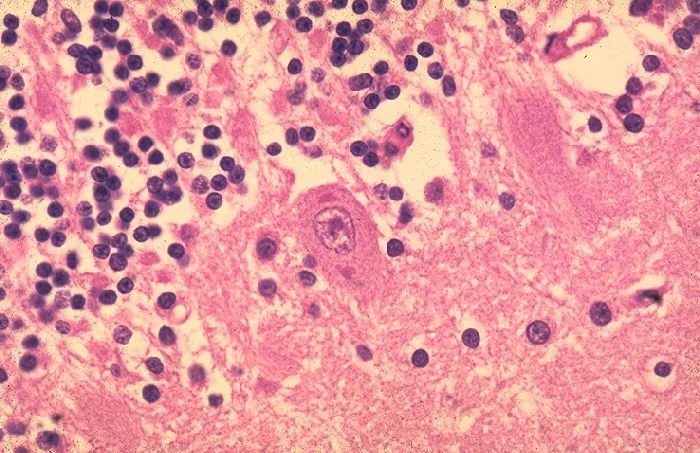
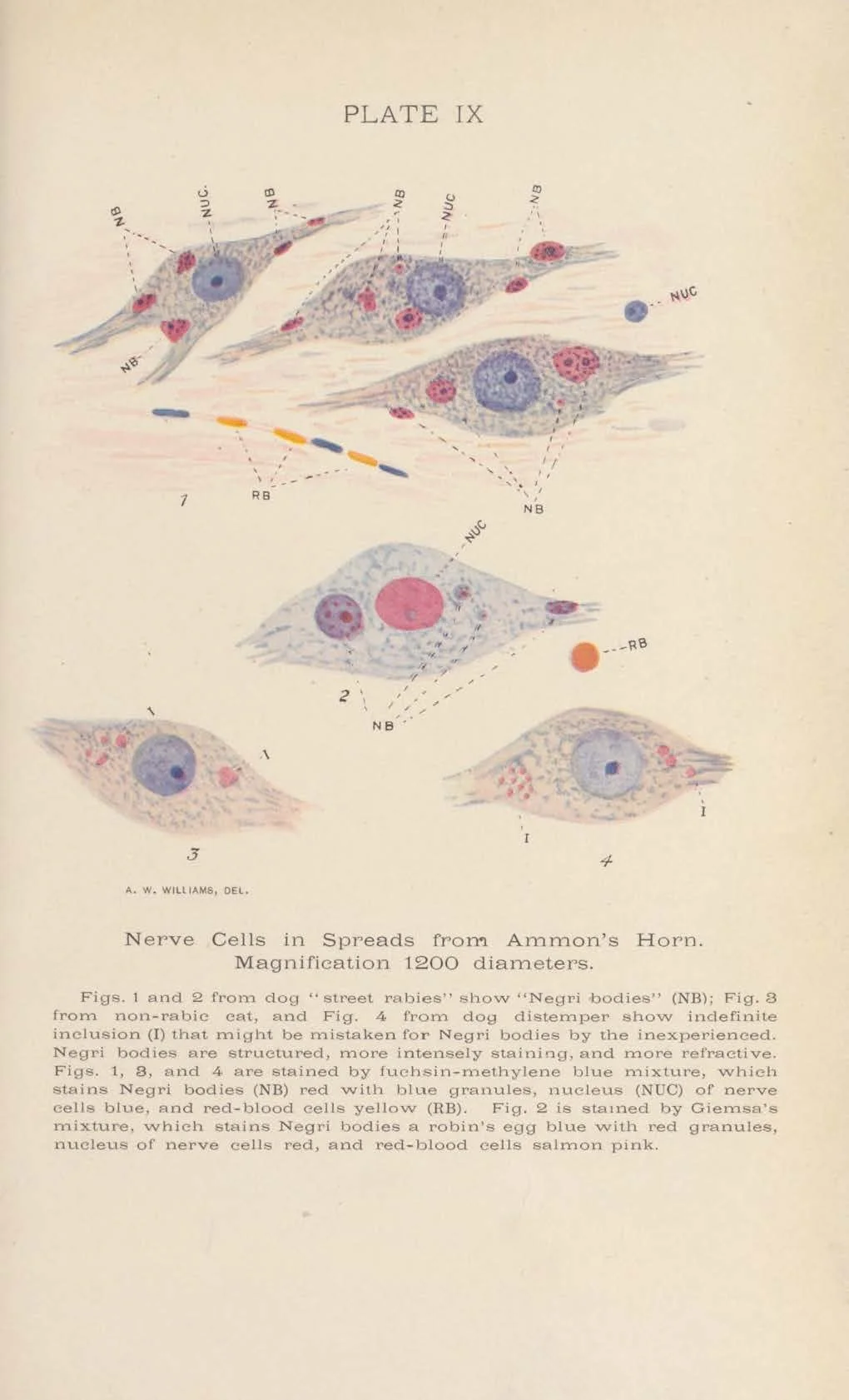
Negri bodies in brain tissue
image credit: CDC/Dr. Makonnen Fekadu
Negri bodies
In 1896, Williams traveled to the Pasteur Institute in Paris to develop antitoxin for scarlet fever. While those efforts continued to fall flat, she took on work as a translator helping patients understand their treatments for rabies exposure. She carried a culture of the virus back to the New York lab and began to research a disease with a much narrower margin for error than diphtheria. Because once symptoms of rabies appear, it is almost always fatal.
Before 1903, the only way to confirm rabies in an animal was to catch and kill it, inoculate a second, healthy animal with tissue from the suspect animal, and then wait, sometimes ten days or more, to see if the second animal developed symptoms.
This waiting was a double-edged sword. At the time, the only rabies treatment available was made from nerve tissue and carried a genuine risk of very serious side effects. Getting a diagnosis right was important in both directions. Rabies would almost certainly kill you, but the treatment for it could, too.
The Italian pathologist Adelchi Negri found a faster way to get an answer. Examining brain tissue directly under a microscope, he identified small, distinctive cell clusters that showed up specifically in cases of rabies. While you still needed to catch and kill the suspect animal, you no longer had to wait on symptoms. You could look at the tissue itself and know.
At the same time, in New York, Williams had been on the same trail independently. She found the same clusters, but she waited to confirm what she was seeing before publishing. Negri didn't wait, presenting his findings at a conference in 1903 and publishing his full work in 1904, and the clusters were named Negri bodies after him alone.
Williams kept working. In 1905, she published something Negri hadn't: a reliable method for preparing and staining the tissue that could reveal those same structures in minutes instead of days. It became the gold standard for rabies diagnosis in labs across the country
In 1907, the American Public Health Association put her in charge of the committee that set the national standard for the test itself. Her method held that role for the next several decades, until an entirely different technology replaced it in the 1950s.
While his name stuck to the discovery, her method made it the gold standard for fifty years.
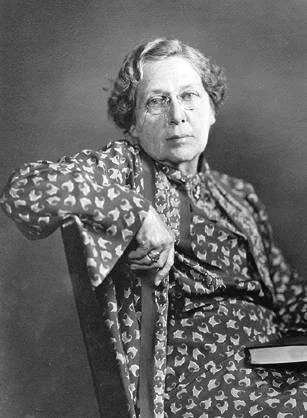
Anna Wessels Williams, ca 1934
image credit: National Library of Medicine
an incredible legacy
While diphtheria and rabies are what she's remembered for, they are just one part of her legacy.
Williams served as the lab's assistant director under Park for close to thirty years, from 1905 until her retirement in 1934, and staffed it largely with women at a time when that wasn't the norm in the field. During her tenure, the lab took on typhoid, meningitis, smallpox, scarlet fever, polio, and the 1918 influenza pandemic, one after another. In 1904, during a pneumonia outbreak in the city, she and Park identified pneumococcus bacteria in patient samples, years before Oswald Avery, who's usually credited with that finding. Later, she helped confirm the laboratory diagnosis behind the infamous Typhoid Mary, Mary Mallon.
She co-authored Pathogenic Microorganisms with Park in 1905, a textbook that went through eleven editions and trained public health officers and students well into the twentieth century. In 1929, the two of them published Who's Who Among the Microbes, aimed at general readers rather than a classroom. In the 1930s, she compiled her own research on strep infections into Streptococci in Relation to Man.
She was a leader outside of the lab, too. In 1914, she was elected president of the Woman's Medical Society of New York. In 1932, the American Public Health Association elected her the first woman to chair its Laboratory Section.
In 1934, the city forced her into retirement at seventy, under a mandatory retirement policy. Colleagues petitioned against it. The New York Times ran the headline "City Acts to Oust Woman Scientist." Mayor Fiorello La Guardia called her a scientist of international repute. None of it changed the outcome. She retired, but kept working on public health problems anyway, unpaid, for another twenty years until her death in 1954 at age ninety-one.
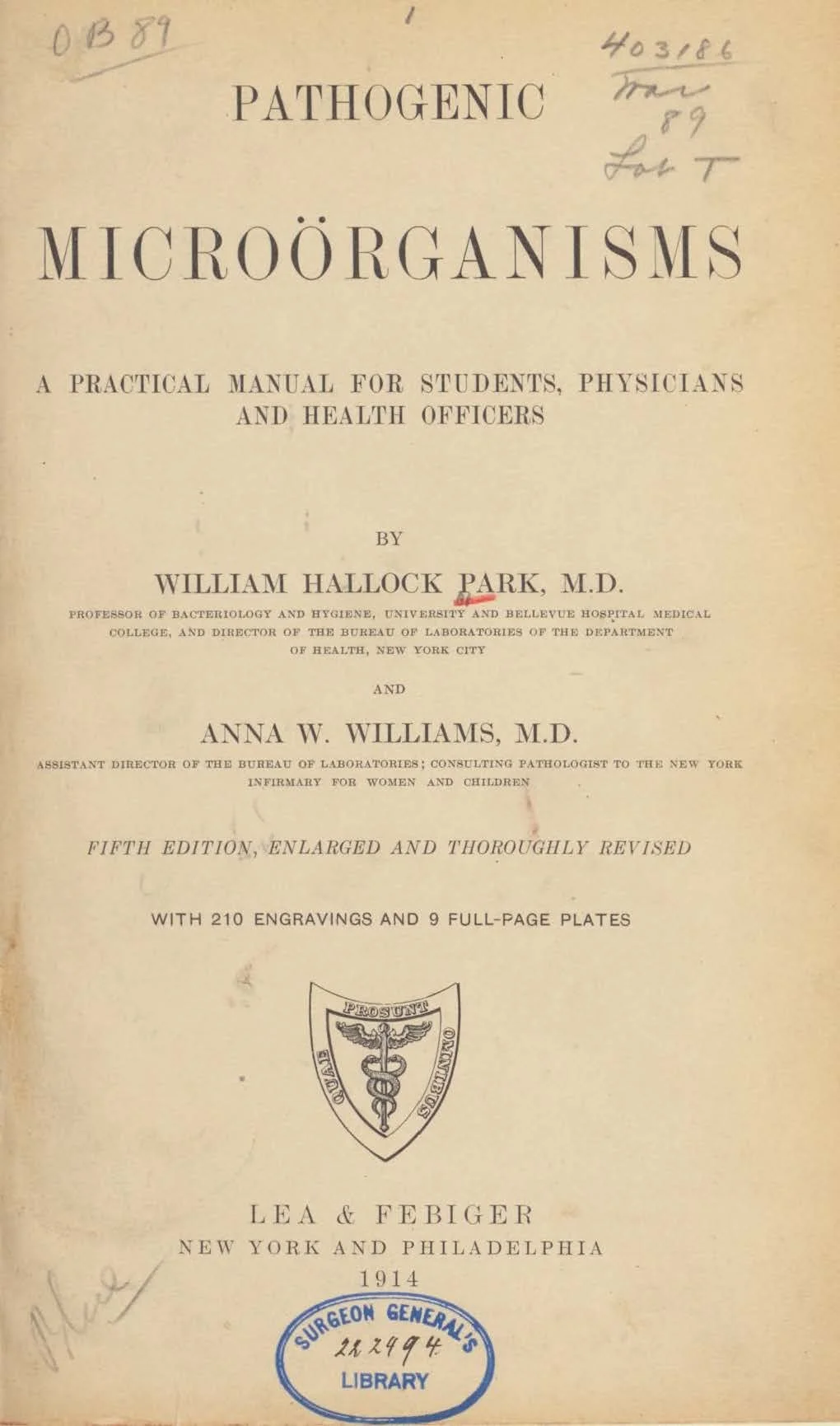
an honor
Late in life, after nearly forty years in the lab under Park, Williams was asked about sharing credit for the diphtheria strain with him. Park had been traveling when she made the discovery, and convention at the time gave the lab's director top billing on work that came out of his lab. He'd trusted her to do the work in his absence, and the credit followed the usual pattern. She said she was happy to have the honor of having her name associated with his.
The respect was very clearly mutual. When the city forced Williams into retirement, Park was one of the voices that pushed back publicly, telling reporters the department had good bacteriologists but that none of them had her breadth of view. He didn't see how the lab could spare her. Park himself would face the same mandatory retirement policy just two years later.
Whatever she thought of one name on one early discovery, she'd long since built a career, and a lab, and a legacy that was entirely her own.