my storyMy first popular press article was born out of frustration, too.
It was 2011. Yet again, NASA and science were on a chopping block.
For those of you who don’t remember the time, let me take you back. As the world crawled out of the 2008 financial crisis, NASA was navigating one of the more complicated moments in its institutional history. Seemingly all at once, the Shuttle program was winding down, a major human spaceflight program had been canceled after years and billions of dollars of investment, and the agency was absorbing significant cuts to its science portfolio. It was an agency making extremely difficult tradeoffs under genuine resource constraints, trying to hold together a broad and ambitious portfolio with a budget that couldn't cover everything.
The extraordinary successes of the Shuttle program and the ISS drew all of our eyes toward the final frontier, and it seemed to many normal people that if we weren’t pushing forward there, then we were retreating.
But NASA doesn’t retreat. They pivot. And they pivoted toward us.
They turned to the work they'd always been doing but that rarely made headlines: Earth observation satellites monitoring droughts and hurricanes. Climate data that farmers and emergency managers depend on. Wildfire tracking that gives communities hours they wouldn't otherwise have. The quiet, unglamorous, genuinely consequential work of pointing those instruments homeward. NASA didn't stop looking at the stars. They just turned around long enough to make sure we were still here to appreciate them.
My doctoral degree was paid for by a NASA Applied Science Fellowship that came out of this pivot. I developed machine learning algorithms using NASA satellite imagery to help predict outbreaks of dengue fever in the southern Amazon basin. When I say that those were genuinely one of the best times in my life, that’s underselling it.
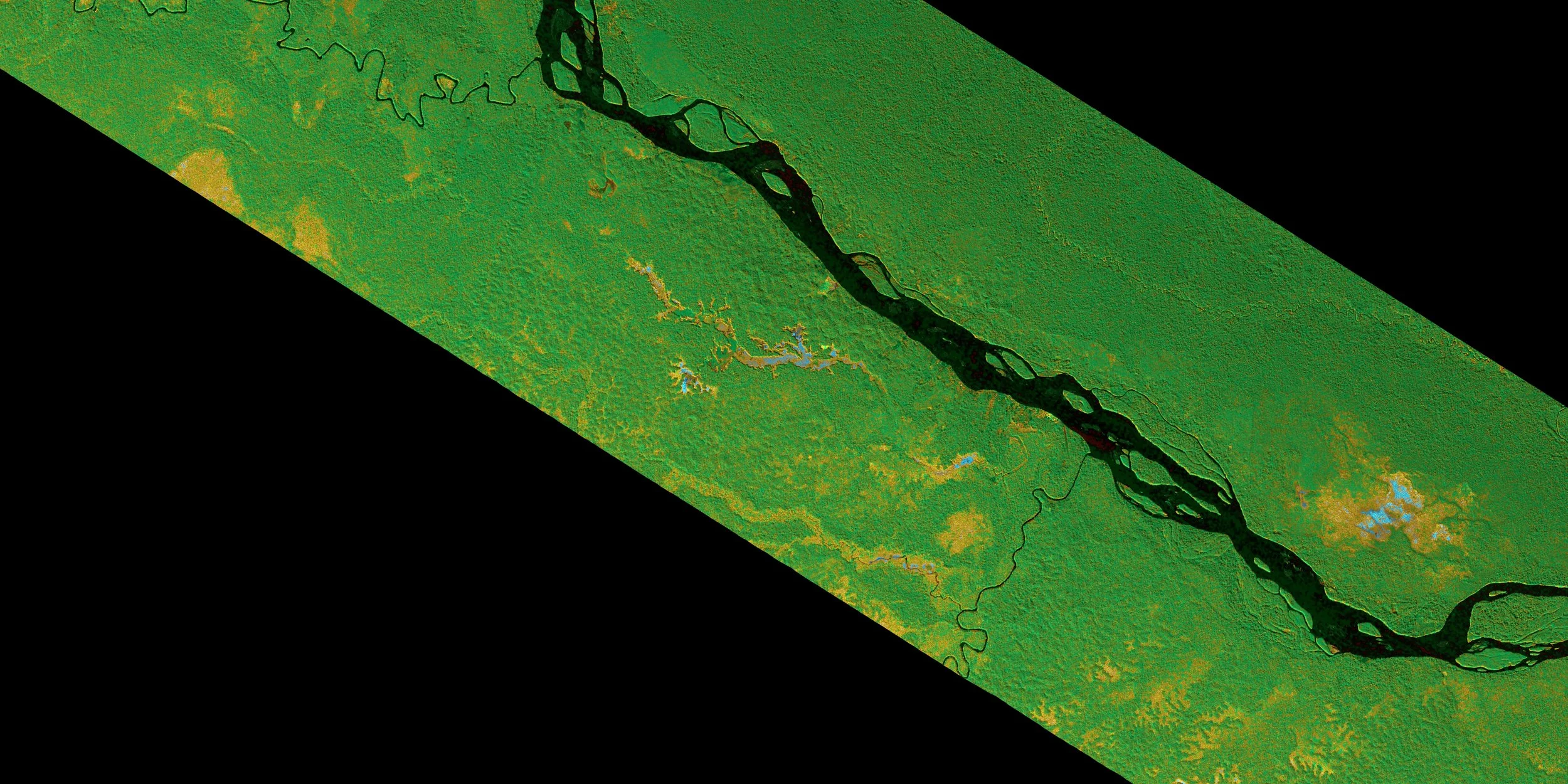
from my old research files, a Landsat satellite image of the southern Peruvian Amazon, my research area
Every time I told people about my work, or was ecstatic my grant had been renewed, they just could not understand how someone getting a Doctorate of Public Health would be on a NASA Graduate Fellowship. It seemed so unrelated and out of left field for them. But if you’d paid any kind of attention, it was so logical.
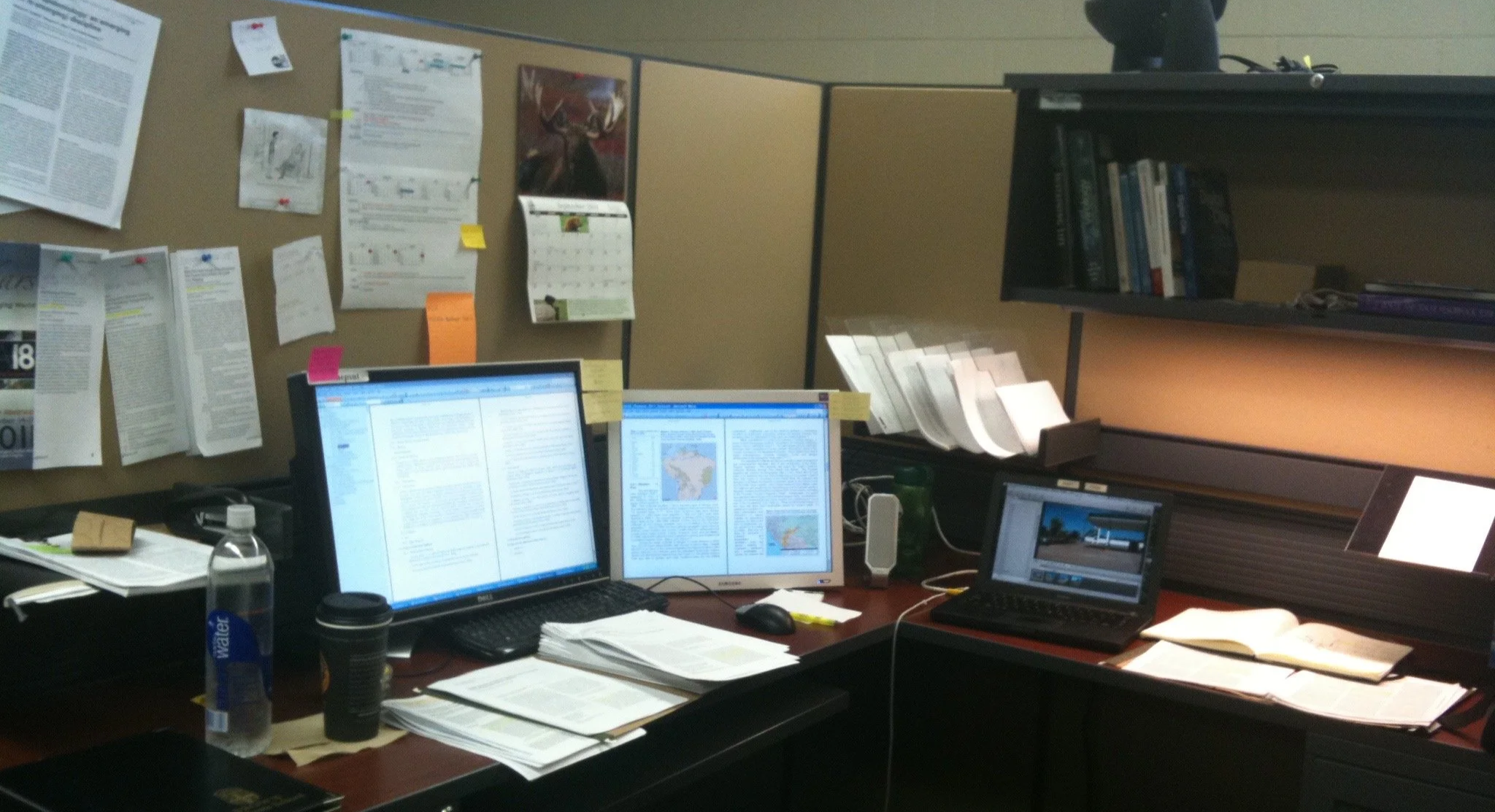
my desk during my doctoral work, as seen on BBC and CNN (seriously). circa 2010.
So one afternoon, frustrated that even my friends and family didn’t really know all the cool things NASA was doing directly for us here on Earth, I wrote something down.
It was published in the July 1, 2011 edition of Mental Floss Magazine under the title “5 Unearthly Powers of Satellites”. I was paid $800 for my work.
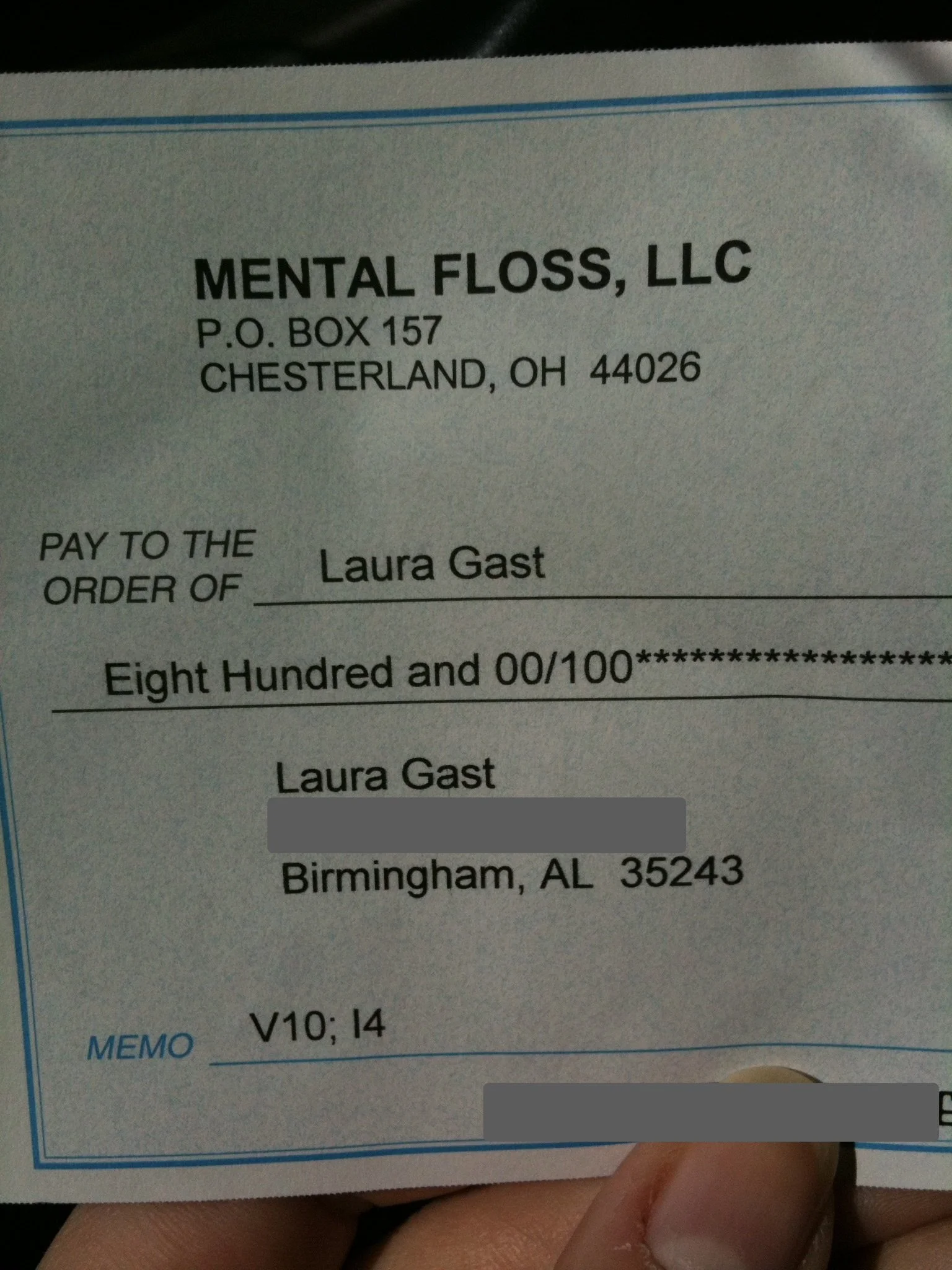
proof of uber nerd status, my check from Mental Floss for my article.
In a way, this site is just the latest iteration of that article.
There are so many stories that I feel like enough people don’t know. There are plenty of spaces sharing groundbreaking new science each and every day, but so many of the astounding stories from our past have either snuck under the radar or been lost in the never-ending progress and today’s new discoveries.
So that’s what I hope to share here. Remarkable good stories from our recent or distant past – the women who brought us the stars, the telescopes that nearly didn't survive their own politics, the scientists who were right before anyone was ready to listen, the public health breakthroughs that changed how we understand our own bodies, the ecosystems we came dangerously close to not paying attention to in time, the discoveries that were hiding in plain sight for decades, and more.
It’s kind of cool to look at that check and see that I’m the same me 14 years later: One part frustrated that people don’t know these remarkable stories, one part excitable nerd.
I've decided to stop being frustrated about it and just start writing them down again.
We all need a little more good news.